Selecting Our Sources
To investigate Artificial Intelligence’s (AI) impact on educational outcomes, we utilized research data from Mendeley Data, a communal data repository powered by Digital Commons Data. The dataset includes self-reported answers from students attending universities in Indonesia, regarding their perspectives of AI adoption in higher education.
Along with our dataset, our team referenced various peer-reviewed sources about the impact of AI on education to support our narrative and visualizations. The peer-reviewed research articles discuss the advantages and disadvantages of AI, specifically Large Language Models (LLMs), in the context of education.
Processing Our Data
Within the first two chapters of A Manual for Writers of Research Papers, Theses, and Dissertation, Kate Turabian describes how researchers oftentimes search for dataset that matches their proposed explanation to a specific hypothesis. However, when dealing with this data, we needed to process the data in such a way that does not reveal any of our implicit biases or answers that we preconceived.
In our own project, we split up the dataset into relevant groups to understand differences of opinions for perceptions, challenges, and motivations of Artificial Intelligence for different demographic groups. Then we found average scores for participants grouped by demographic data to uncover any potential trends.
Presenting Our Narrative
Our team used the software WordPress to design and develop our website. To match our themes of AI and education, we chose a darker theme with blue-green color accents to highlight our visualizations, and a modern minimalistic look to convey the futuristic look on our website aesthetic.
It is important to know that maps are far more than just illustrations of geography. They function as “systems of propositions” that actively construct arguments about power, knowledge, and social reality. In the paper “Mapping the Geospatial Turn, A New Companion to Digital Humanities”, Presner and Shepard argue that every map is built upon deliberate choices, including scale, projection, and symbology, which inevitably highlight certain narratives while silencing others. Because mapmakers get to decide what data is significant enough to include and who is represented, the resulting visualization inherently becomes a “propositional argument” that guides the viewer toward a specific interpretation of both space and history (Presner & Shepard, 2016). Within our various map visualizations, it is important to critically examine the representations that the maps display and the potential silences or lack of representation within the data.
Meet the UMOJIA Kitties
Hello inquisitive viewers! We are the UMOJIA Kitties, with each letter of UMOJIA representing our first names’ initials. And of course, our favorite animals are kitty cats
/ᐠ_ ꞈ _ᐟ\ɴʏᴀ~
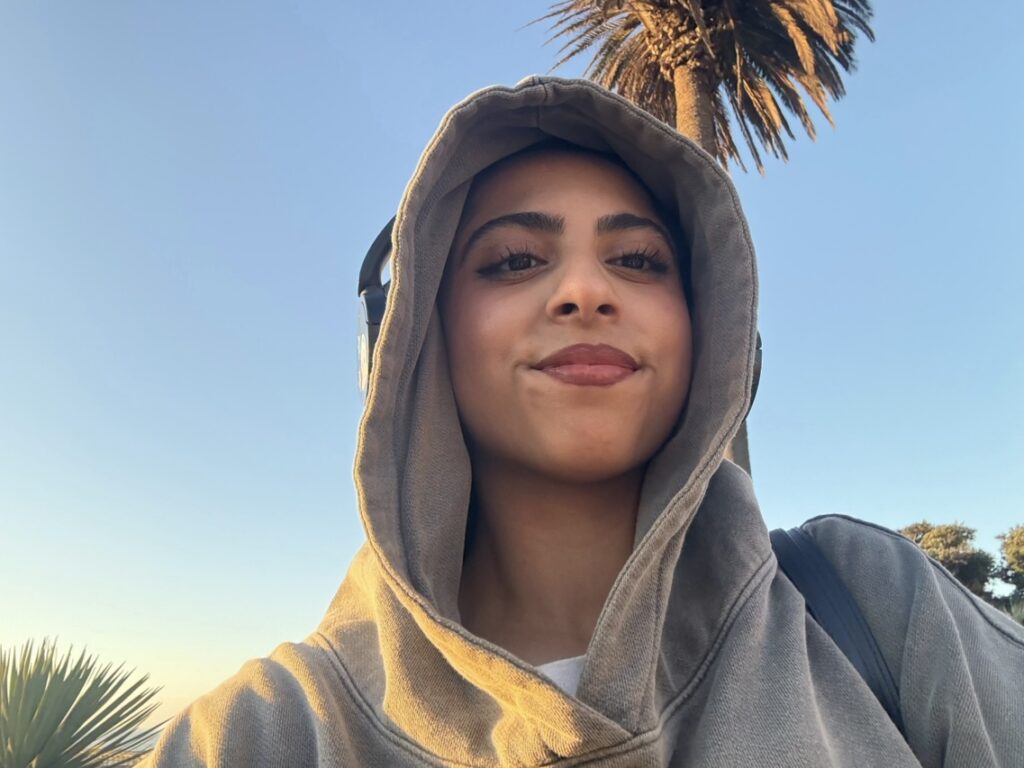
Uzouf Baagil
Hi! I’m Uzouf Baagil, a second-year computer science major at UCLA. I’m the Web Designer for this project.
My favorite chatbot is ChatGPT.
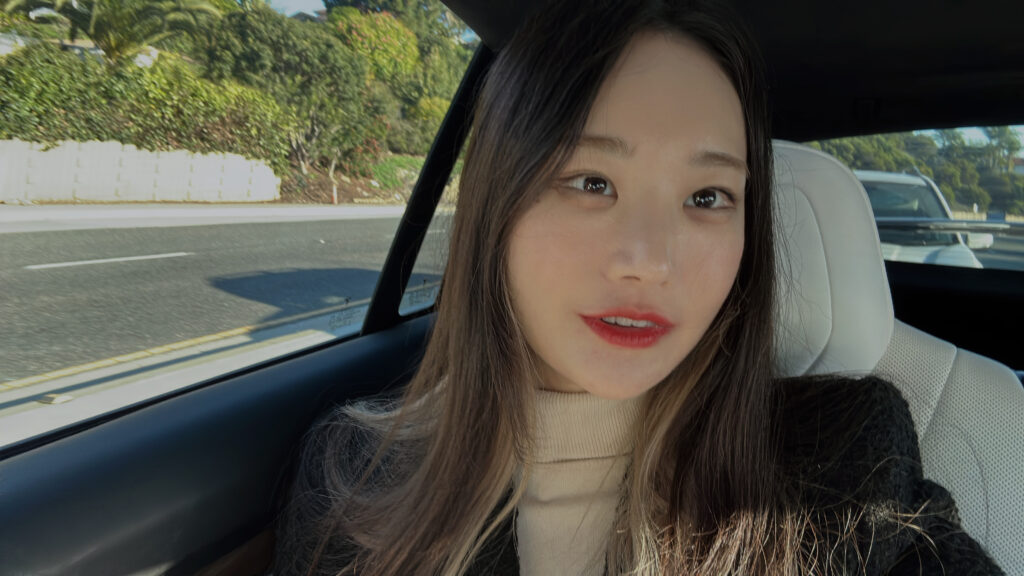
Mio Yoshihara
Hey everyone! I’m Mio Yoshihara. I am a senior at UCLA majoring in Psychology. As a content developer, I focused on the aesthetics and design accessibility of the website.
My favorite AI chatbot is Brave Browser’s Leo AI which is built into the browser!
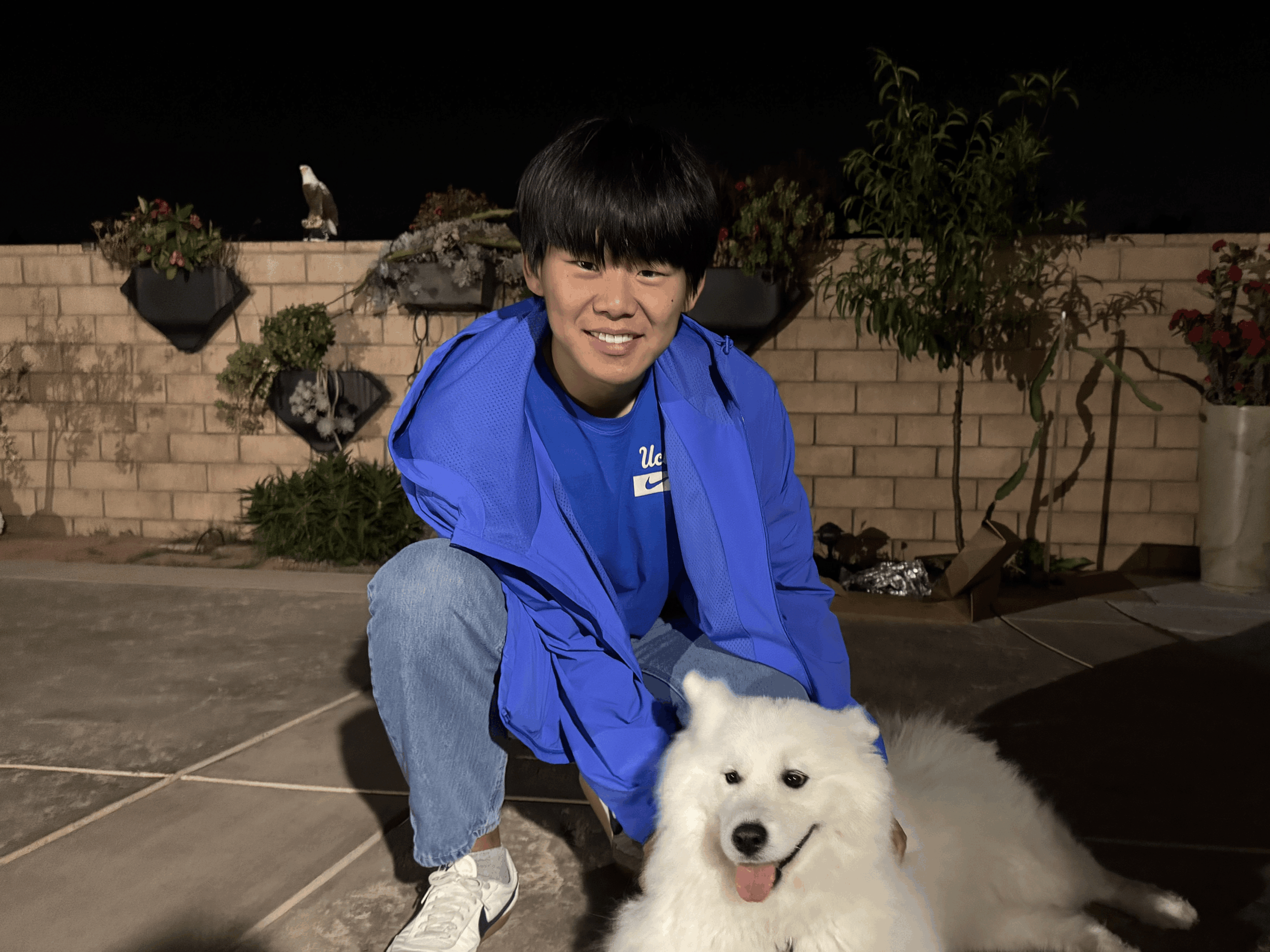
Oliver Pan
Hi, my name is Oliver Pan and I’m a fourth year majoring in Stats and Data Science. I’m the Data Specialist for this project.
My favorite chatbot is ChatGPT.
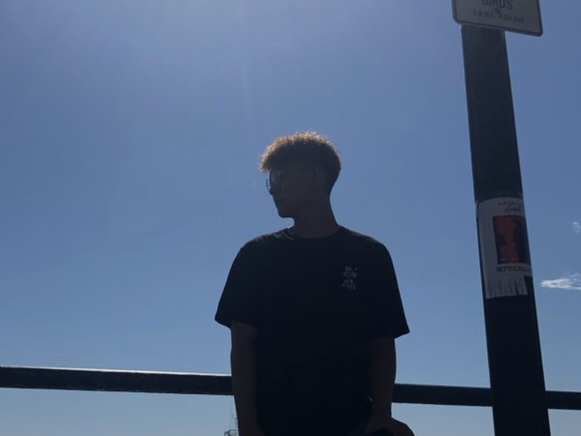
Jiawen Yu
Hi I am Jiawen Yu. I am a senior student in Statistics & Data Science major. I am the editor for the project.
My favorite chatbot is Perplexity.
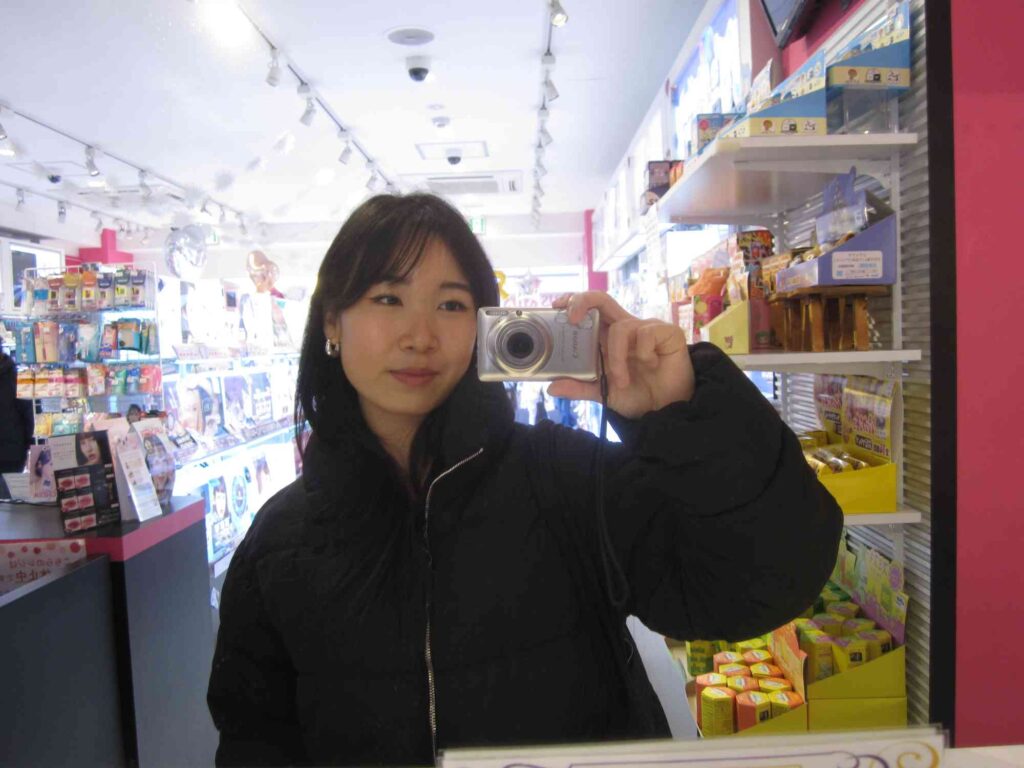
Irisa Le
Hi, my name is Irisa and I’m a third-year majoring in Statistics & Data Science and minoring in Data Science Engineering! As the project manager, I was responsible for facilitating team discussions, dividing tasks, and ensuring that deadlines were met.
My favorite chatbot is Google Gemini!
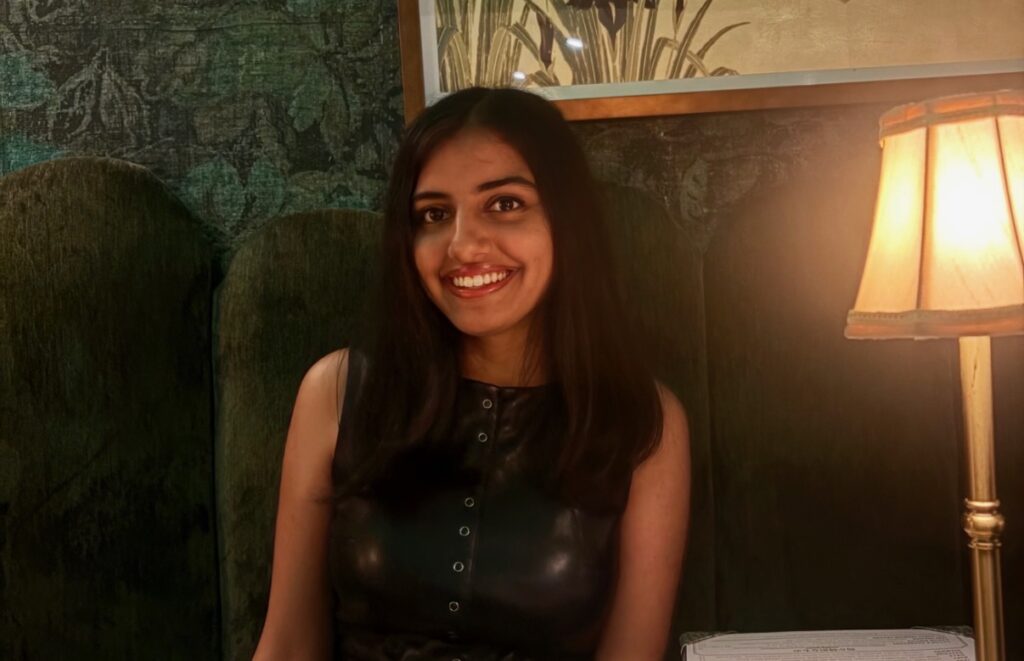
Ayushi Kadakia
Hello, my name is Ayushi and I am a third-year majoring in Statistics and Data Science and Economics. For this project, I was the Data Visualization Specialist, and I helped set up the website and created some of the interactive visualizations for this project!
My favorite chatbot is Claude!
Acknowledgments
We would like to thank our Teaching Assistant Kai Nham for their invaluable help on this project, as well as our Digital Humanities 101 Professor Dr. Nicholas Sabo for his insights during lectures.